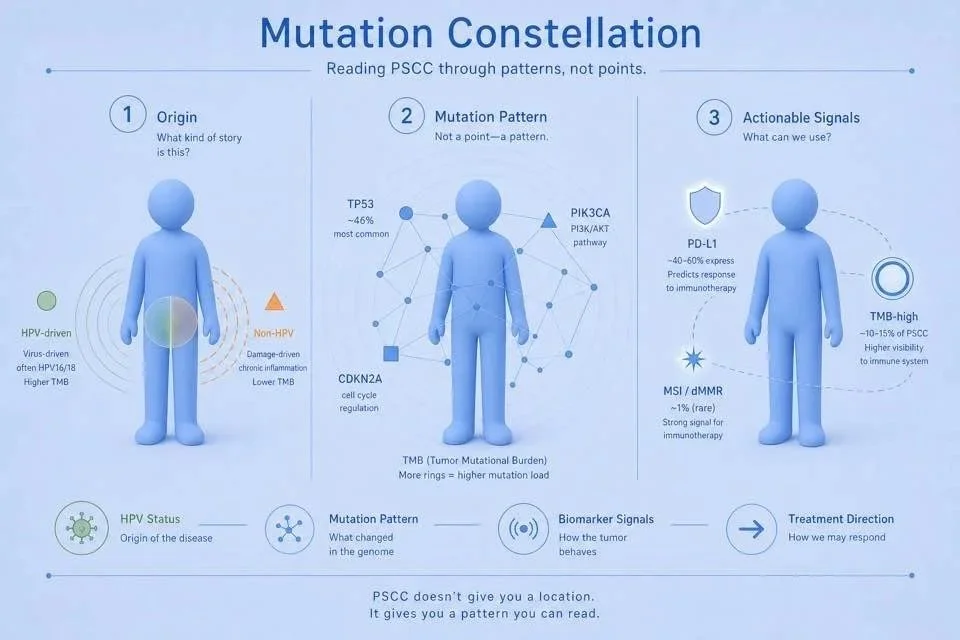
Mutation Constellation
I had to unlearn a few things about biomarkers. I was thinking too literally that X marks the spot (in the DNA). What gives us information about the cancer mutation are pathways and patterns (I’m calling them constellations tonight).
It’s fascinating to have followed my line of questions down to the Origin, and HPV vs Inflammation as the driver of the virus or the damage-driven cause of the mutation, check out my new graphic above.
My next question (after a few hours of sleep) will be to see if HPV or non-HPV show up in my genome sequence. If we see chronic inflammation then the question becomes ‘could this have been caused by a traumatic knee replacement that followed a long period of chronic knee pain.’
I started noticing something painful and almost like a tiny stone or a shard of bone(3mm) in my penis. This is when I contacted my PCP at Sharp Healthcare. This was after my knee surgery. And I was wondering if I contracted a virus or something the day of the surgery at Grossmont Hospital. My labs all went crazy after my surgery, making another possible suspicious connection to Sharp. I may never find the direct link. But the genomic trail back to the same time period is interesting, and might be a clever writing prompt for a story (or animation).
So, is the HPV vaccination important? Judge that for yourself.
We are getting down to the molecular level here, and we may find a “mutation signature” that suggests or predicts responsiveness to immunotherapy. Immuno is not a panacea. The one I’m thinking may be used—it has entire Facebook groups of people that claim they or loved ones were seriously injured by it. A bit scary.
Tempus Assay
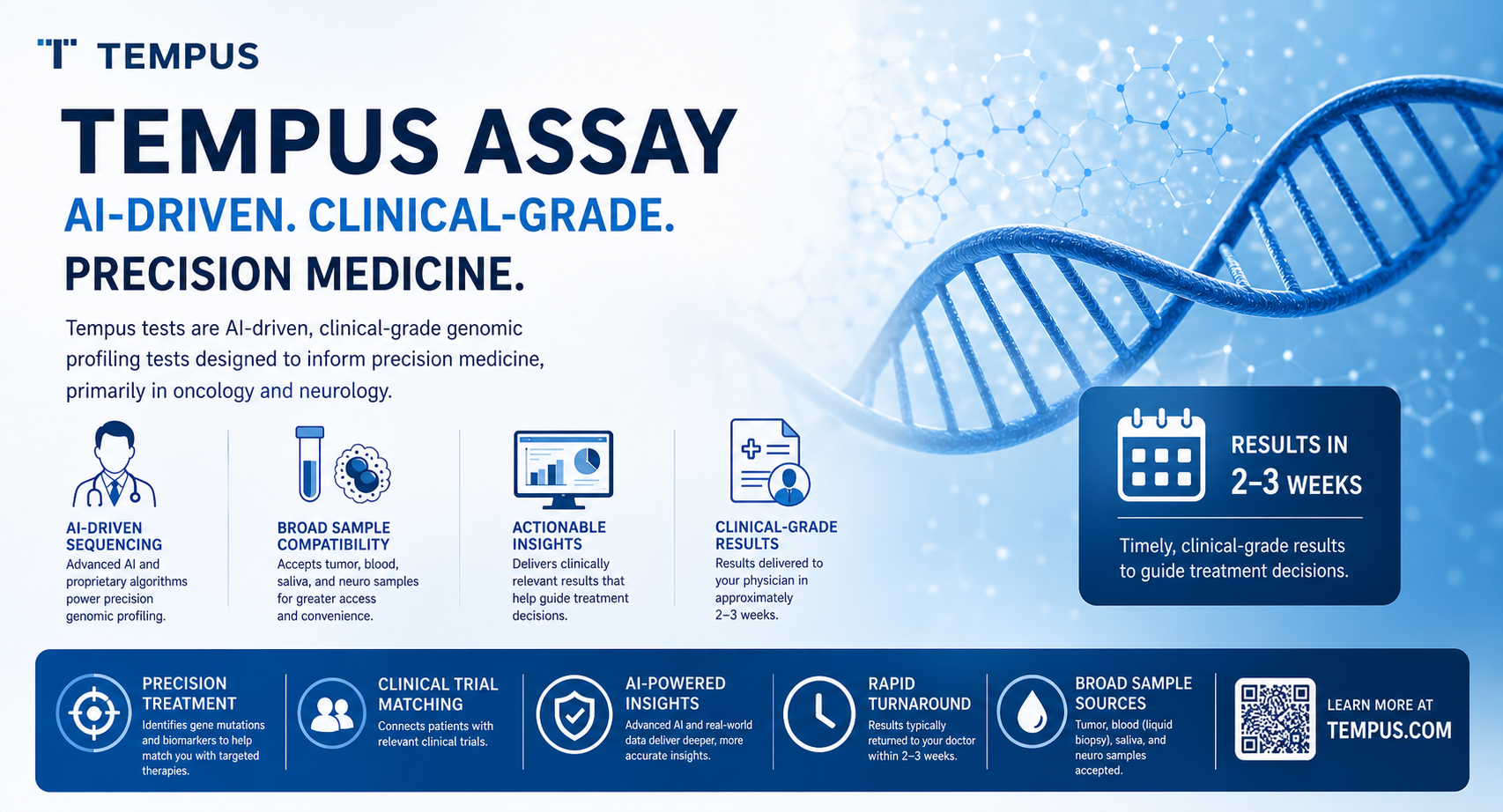
Tempus supports companion diagnostics and precision oncology through a data-driven platform that spans biomarker discovery, assay development, regulatory strategy, clinical trial support, and commercialization. Using multimodal datasets, DNA and RNA sequencing assays, and AI-enabled insights, we help biopharma partners identify clinically relevant biomarkers, support trial enrollment, and bring companion diagnostics to market more efficiently. Scroll to the “Our approach” and “Our support” sections on this page for the full breakdown.
Tempus Assay uses blood to clinically profile genomic information as part of cancer treatment.
Why this matters for rare cancers like PSCC
Less invasive sampling: For patients with rare cancers such as penile squamous cell carcinoma (PSCC), tumor tissue may be scarce or difficult to biopsy. A blood-based assay (liquid biopsy) can capture circulating tumor DNA when tissue is unavailable or when repeat sampling is unsafe.
Faster, broader genomic insight: Blood assays can profile multiple genomic alterations and emergent resistance mutations, helping clinicians consider targeted therapies or clinical trials sooner—critical when time and options are limited.
Monitoring over time: Serial blood testing can track treatment response or early relapse without repeated invasive procedures, enabling quicker adjustments to care.
Complementary, not replacement: Tissue-based sequencing remains the gold standard for some decisions. For PSCC, combining tissue and blood genomic data gives the most complete picture.
What to ask your care team
Is a liquid biopsy appropriate for my situation, and will it add information beyond tissue testing?
Which assay will be used, what genes or markers are covered, and how long until results?
Will results influence treatment options, eligibility for trials, or targeted therapies for PSCC?
How will the team monitor and act on changes detected by serial blood testing?
Limitations to keep in mind
Sensitivity varies: Low tumor DNA levels can produce false negatives.
Not all alterations are detectable in blood; some findings require tissue confirmation.
Clinical actionability depends on available targeted treatments or trials for the specific alterations found.
Advocacy tip
Ask for both tissue and blood genomic profiling when possible, and request interpretation in the context of PSCC. If your oncologist is unfamiliar with PSCC, insist on input from a sarcoma/rare-genitourinary cancer specialist or a molecular tumor board to maximize the utility of genomic results.
Image caption: Tempus Assay uses blood to clinically profile genomic information as part of cancer treatment.

Phaco Surgery
Another common type of extracapsular cataract extraction is phacoemulsification (often just called “phaco”), where the surgeon removes the cataract through an even smaller incision than the one used in conventional surgery. In this procedure, the surgeon uses a computerized instrument consisting of a needle about the size of a ballpoint pen tip which vibrates at about 40,000 times a second.
This ultrasonic vibration dissolves the cataract into fine particles, which are then vacuumed through an opening in the instrument.
The benefits of the phaco approach include an early restoration of vision and return to normal activities. Phaco is well suited for patients with a less-advanced cataract, when an earlier return to activity is required or when increased physical activity is part of the convalescent period.
Yesterday was a fast appointment at Shiley Eye Institute. A simple ultrasound of both eyes prior to surgery next week. The procedure is simple—sit in a chair and pull your face close to the machine. You look at some lights, watch a couple of flashes and you are done.
There are two types of cataract surgery The original type makes an incision in the eye and removes the cataract.
Per UCSD—”Another common type of extracapsular cataract extraction is phacoemulsification (often just called “phaco”), where the surgeon removes the cataract through an even smaller incision than the one used in conventional surgery. In this procedure, the surgeon uses a computerized instrument consisting of a needle about the size of a ballpoint pen tip which vibrates at about 40,000 times a second.
This ultrasonic vibration dissolves the cataract into fine particles, which are then vacuumed through an opening in the instrument.
The benefits of the phaco approach include an early restoration of vision and return to normal activities. Phaco is well suited for patients with a less-advanced cataract, when an earlier return to activity is required or when increased physical activity is part of the convalescent period.”
04-28-2026—Today I have a phone call with the Nurse Practitioner at Shiley to prep for surgery. We will likely discuss the three types of lens, though I have already committed to the more expensive option which improves both distance and middle (computer) vision. It will mean wearing glasses for reading, which I don’t mind.
After having retina surgery-induced cataracts for a year, I am really “looking” forward to getting my left eye online again.

Steven Hamill’s Story
700 men in the UK are diagnosed with it each year in the UK, and yet there’s still a huge taboo surrounding penile cancer. In 2019 26-year-old Steven Hamill visited the doctor, complaining of pain and swelling in his genitals, and was sent home with a topical cream. But after developing worsening, intense pain, and waking up in a pool of his own blood, Steven was rushed to A&E where doctors gave him the devastating diagnosis: penile cancer, requiring a partial amputation. Steven was forced to have four inches of his manhood removed in a drastic surgery to save his life. He joins us alongside his urologist Arie Parnham (DTL), to tell us more. Broadcast on 21/04/2026
Steven Hamill’s Story
Steven was 20 years old when he noticed something wrong with his body. What he went on to discover was Penile Cancer, something that 600-700 men in the UK each year also discover. Those are new cases each and every year. They join the survivors of this aggressive cancer, and the families, friends and co-workers that have lost loved ones to PSCC.
PSCC is what the majority of men will be diagnosed with, but Urethral Cancer is another cancer type to be aware of.
Early detection and treatment is the single more important way to save lives, before this cancer starts spreading throughout the body.
Many medical professionals have never seen this cancer, so it becomes the patient’s responsibility to advocate successfully for a biopsy or other diagnostic procedure to get the diagnosis right and not give time to the cancer—it will run through the body quickly.
Please share Steven’s story and leave him a positive note. As you can imagine, he is getting a number of strange comments for the bravery he’s showing, along with many positive wishes.
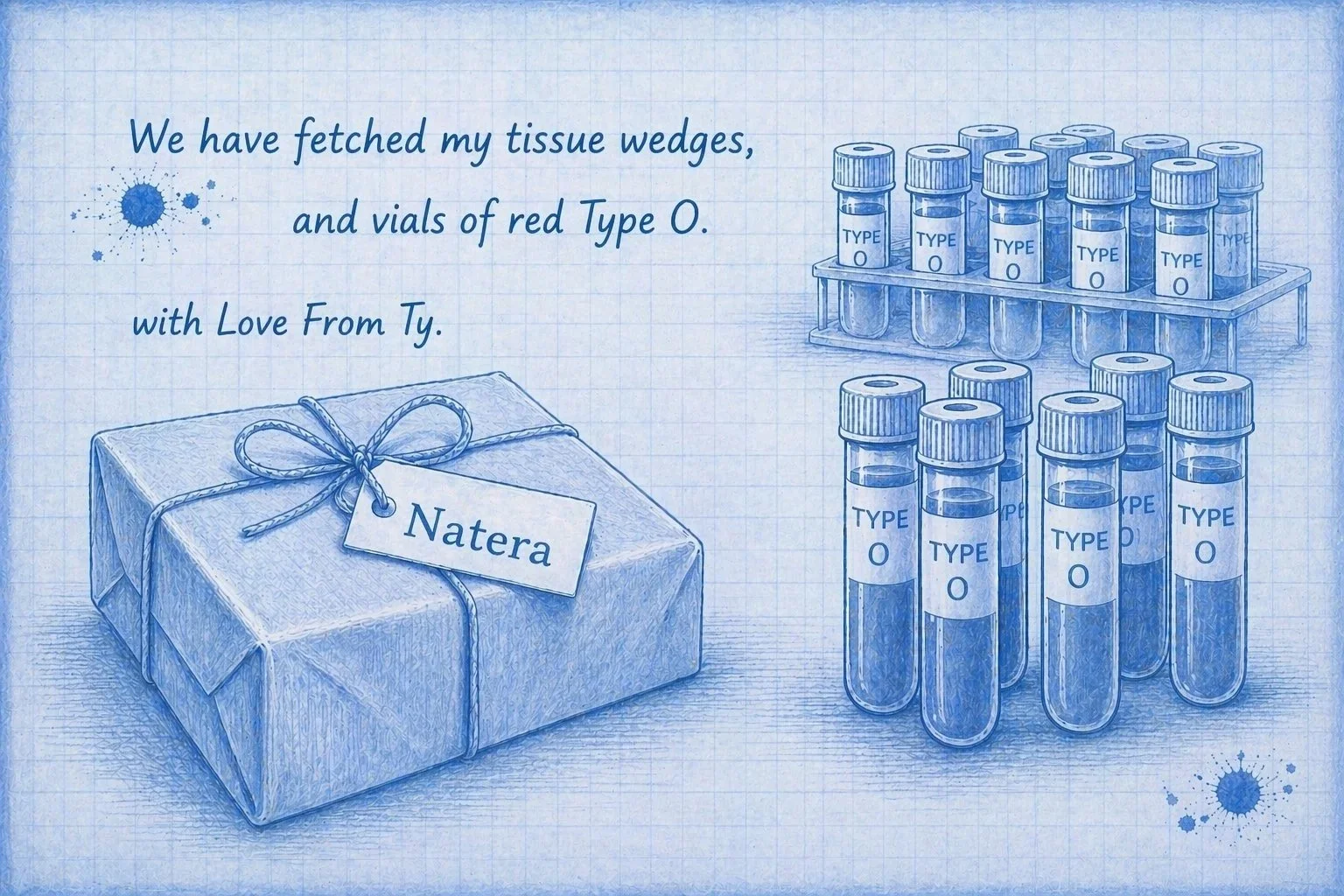
Signatera™
(NOTE: I have no relationship with the company Natera, or their Signatera™ product, other than I am a cancer patient using this blood assay).
I have been through a lot, including surgeries, chemotherapy, and more scans (CT’s, CTA’s, X Rays and MRIs) than I can remember—in this three year journey. And tonight I believe the chances of still having microscopic cancer cells is better than 50/50, even after thoracic surgery less than five weeks back.
One person on my medical team said there is a lot we don’t understand about how cancers metastasize. But we can still talk about possible ways they spread because that can be useful in planning future responses. And giving a tiny ray of hope when there are no guarantees.
As I write this we know of no visible (to scans) cancer in me. The thoracic surgery took out the 2cm nodule in my lung tissue. During a ‘by the book’ lung cancer surgery there are standard procedures that surgeons follow that include how to sample a few lymphatic nodes after the main tumor (or nodule) is removed. My cancer is PSCC that embedded itself in my lung tissue… And once it was resected there were 6 additional nearby nodes resected that gave us a wider look at this area.
PRIMER: For lung cancer types:
Non-Small Cell Lung Cancer (NSCLC) (about 80–85% of cases)
Small Cell Lung Cancer (SCLC) (about 10–15% of cases).
NSCLC grows slower and is subdivided into:
adenocarcinoma,
squamous cell carcinoma, and
large cell carcinoma.
Back to my recent surgery—in addition to the main 2cm nodule, one of the six lymph nodes was also malignant with PSCC. Penile Squamous Cell Carcinoma in a lung is different than lung squamous cell carcinoma.
The meaning here is that my cancer that started a couple of years ago was able to survive a partial and full penectomy, and then four cycles of TIP chemo given over three months. And surviving these treatments it then spread up to my inguinal nodes, and on to my left lung and at least one adjacent lymph node. This MAY have been one main event, or it could have spread over time, we don’t know.
Remember I mentioned that my PSCC-infected lymph node was part of a standard lung cancer resection procedure… It was not visibly different than my other nodes, it was just in the location that surgeons (following standard procedures) will take a node from. So I know I had the main event, the 2cm in my lung tissue and also the nearby node (both removed).
New Questions:
Why didn’t any of the scans “see” the PSCC-infected node that was near the 2cm nodule?
Are there more unseen infected nodes in this same area?
Can we treat what we cannot see, just go in with chemo again, or immunotherapy (both systemic treatments)?
Good questions. I had to look up the first question—CT scans “see” structures, not individual cancer cells. You need a clump of cells roughly 5mm-10cmm for a scan to register it. Something under 5mm, even though it could be millions of PSCC cells, likely won’t show up. That’s why the 2cm nodule appeared and not the smaller lymph node.
For the same reason, the other nodes in the area don’t show anything that is large enough to make a mark on a scan, not yet! We now wait and see if other sub-5mm nodes in my body (not just in my lung area) show up.
I feel like a cancer garden in Spring, waiting to see what might grow.
The third question has an unsettling answer--at least for me. Oncologists “don’t treat shadows.” They have phrases that are a short-hand way to say they don’t treat something they only suspect is there. And there are good reasons for this. As I said in one of my YouTube PSCC awareness videos, ‘the cures can be so much badder.’
You don’t want to give a ‘chemo survivor’ more chemo, this can add cumulative side effects like additional neuropathy. You don’t just administer toxic meds because you suspect little PSCCs are in the blood stream or lymphatic system. That can be frustrating to hear if you feel you likely have cancer cells still in you.
I want this monster out of me now, and I don’t wanna’ play Whac-a-Mole for the next five years! *^%@•¶¢£!
I was feeling my grasp on the small bit of hope I had was loosening up.
But wait—there’s more. A company named Natera created this amazing capability to personalize an assay of a person’s blood to see if there is any dead DNA from their cancer. Yes, cancer sheds DNA into your blood.
So off to Natera went my tissue and blood samples, and they created a PSCC DNA test for me. This is not just some hope, this is revolutionary medical tech in the best way.
We can only see cancer cells that are large enough for a microscope to make out. We can’t see a fragment of a PSCC DNA chain. But Signatera can “sense” a fragment in my blood. The assay takes a few weeks, and Natera will send my Oncologist a report of what they “sensed” in my blood. If we get a positive result (there is PSCC DNA) then we can plan our next steps, which might be to speed up the times between scans (which we already have done). We might start looking to see if I am a candidate for the new immunotherapy treatments that would try to boost my immune system to recognize and attack my PSCC. I might need a Buck Rogers’ tattoo if this is successful.
We will see what the Signatera™ assay shows, and that will make an interesting blog post. Watch this space!
If you want to know more, you can go to www.Natera.com and learn about Signatera as well as other tools for illnesses besides cancer. This is information you might want to bookmark and share with friends and families that are impacted by cancers. I am not giving this as medical advice, I am simply sharing my journey in case it helps you ask more informed questions of your medical providers. One other resource I found was some YouTube videos on Signatera. I hope this points you in the right direction to learn about ctDNA tools.
Check out my different PSCC videos on YouTube and send them to everyone you know, including medical professionals, so we can prevent this monster disease from impacting men and their families. Early Eyes Save Lives. Spread the word, save a life.

The Loneliness of Good Words
Not every supportive sentence feels supportive. Sometimes the kindest thing a person can offer is not language, but quiet connection.
This post started early in my Journey with Cancer 1.0 (2024). Someone told me “this too shall pass” after hearing I had cancer. Their very warm, well meaning words hit me in a completely different way. And those words have stuck with me ever since. Their gracious words sparked a thread in my Journey that recently has become more academic.
This blog below will change as I research and learn more. For now, it is a snapshot of my understanding of how people talk to cancer patients and the way patients feel their words. This is not about you, dear reader. It is about me, delving a little deeper into what is often an awkward area, which we are not taught about and are left on our own to work out—what to say to a cancer patient.
Cancer does not just expose illness. It exposes how people want pain to come with a script. But the script is unwritten.
A diagnosis changes more than the patient. It changes the people around the patient.
Cancer changes conversations. It changes the look in people’s eyes. It changes how quickly people start reaching for words that make the moment feel safer, smaller, and easier to manage from the outside. When there is no clear answer, no neat timeline, and no guarantee, many people reach for language that helps them feel better.
That is where the clichés come from.
Stay positive. Everything happens for a reason. You’re strong. Let me know if you need anything. This too shall pass.
People don’t say these things to be cruel. I sincerely think most of them are trying their very best. They want to help. They want to offer comfort. But kindness and comfort are not always the same thing. Good intentions do not always land gently.
Sometimes the phrases we hear all the time do not lighten the burden on the patient, or their caregivers. Sometimes they flatten the burden or they they add to it.
When a comment does not land the way it was meant, it can become one more burden for the patient to carry. Now, on top of fear, appointments, side effects, and uncertainty, the patient may also feel pressure to protect the other person’s intentions. They may smile so the moment does not become awkward. They may swallow the sting because they do not have the energy to explain why it hurt. They may even end up comforting the person who was trying to comfort them. Or they might write a blog.
That is part of what makes these moments difficult. The burden is no longer just the illness. It is the extra emotional labor of managing someone else’s discomfort while your own cancer world is already spinning.
When someone says, “everything happens for a reason”, they mean to offer comfort. But the patient may suddenly feel the burden of wondering whether they are supposed to find meaning in their pain as they are trying to survive.
Instead of being given space to fight and survive, the patient is handed a spiritual assignment. Everything that happens? Chemo, rads and surgery? What reason is that—I need to know.
And when someone says, “Let me know if you need anything”, it may sound generous, but it can quietly shift the work back onto the patient. Now the sick person has to identify a need, decide whether it is worthy enough to ask for help, overcome the discomfort of asking, and manage the logistics of the response. What was meant as support can become one more task. If you can say that and it’s understood the way you meant it, then say it. I am just trying to share how a little empathy before we speak can really help.
That kind of flattening can feel lonely.
Side Note: Again, this is not about you. This is a distillation from many current cancer patients I have been in touch with. In my research I collected a number of patient comments and ran them through an AI program, asking it to sort and count similar comments. This gave me a data point (unscientific but real world) that someone needs to start this awkward conversation. TC
Because when your life has been interrupted by cancer, the last thing you need is for your reality to be turned into a slogan. You do not need your fear polished.You do not need your grief edited into something inspirational. You do not need the truth of what is happening in your body translated into language that is easier for everyone else to tolerate.
I have done these things, smiled and absorbed good words than felt like mini harpoons, remembered for how they glided in and then lodged in my journey.
Over time, I started hearing those comments differently. Not as wisdom. Not even really as support. More as evidence of how hard it is for people to sit beside pain they cannot solve. Uncertainty makes us restless. It makes us reach for silver linings, polished encouragement, and tidy phrases that try to clean up what is not clean.
But cancer is not tidy.
And real support is rarely made of perfect words.
What helped me most, in my journey so far, has been presence. Honesty. Specificity. Someone saying, I’m bringing dinner Thursday. Someone saying, I can drive you to that appointment. Someone saying, I don’t know what to say, but I’m here. That kind of care does not erase the uncertainty. It does something better. It makes the uncertainty less lonely.
There are also simple, non-verbal ways to help that do not add work to the patient. Send one photo each day — something beautiful, funny, familiar, or calming — just a quiet reminder that they are still connected to the world beyond appointments and side effects. Create a playlist with Facebook music and send the link, so comfort arrives without asking anything back. Ask whether they would like to create an Amazon Wish List and make it public, which gives friends and family a concrete way to help without forcing the patient to explain their needs again and again. Practical support does not have to be dramatic. Often it is the steady, low-pressure gestures that say most clearly: I’m here, and you do not have to manage this alone.
Not everything has to be said directly to the patient. One of the most useful forms of support can be learning to communicate well with the person a patient asks you to talk with instead — a spouse, partner, sibling, friend, or caregiver who is helping carry the load. That caregiver can be available to talk with when when the cancer survivor is sleeping or in treatment, or at the bottom of a roller coaster period.
My caregivers did this for me. Talking with doctors and nurses. Taking notes to read to me later. Asking questions on my behalf when I was experiencing chemo brain or exhaustion or strong meds, or a combination of these.
I don’t have all the answers or a list of suggestions for you. I can only share what I have found works for me. Communicating is key. Survivors and their care team can define how they want to communicate, and then the care team can be an extension of the advocating efforts. Any time a care team can manage parts of the journey without the survivor, that eases the load and helps in a number of ways (less stress, reduced aniety, etc.).
Talk…when the survivor is ready to talk.
You can use this blog to say “I read something about how some words are well meaning, but can leave cancer patients feel the message a different way. Can we talk about that for a few minutes?
I sincerely thank my family and friends for their empathic wishes and great timing with food and flowers and cards and social media comments. There is no easy way to explain how immensely valuable this support has been. Every person in a journey deserves this warm blanket of care. You all rock! Early Eyes Save Lives!
TC
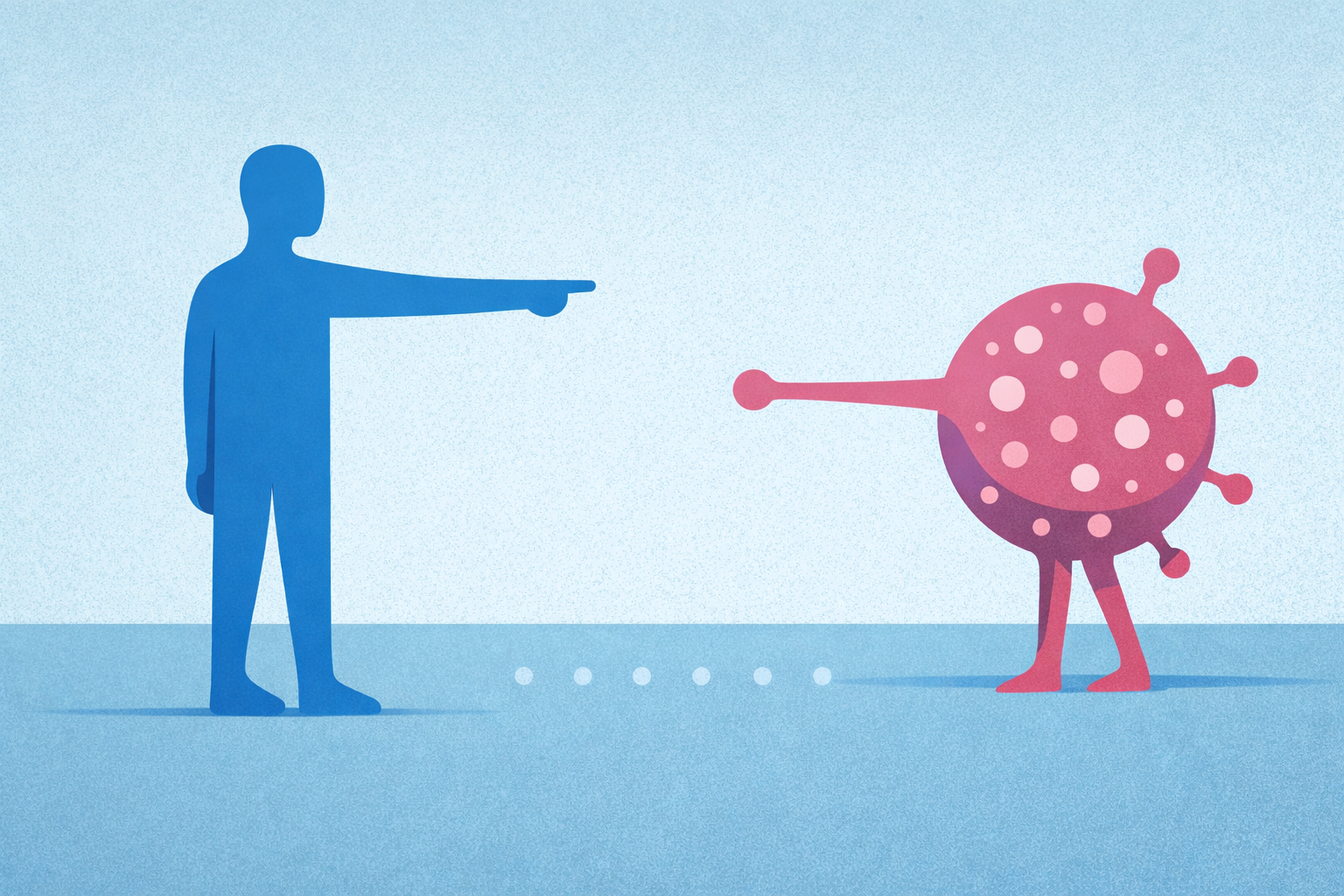
A duel
Dear Friends,
We can each look into the same glass sphere at the same moment and see something completely different.
Tonight, I am turning that sphere toward my own journey.
After reviewing the classic steps of a duel, I realized these steps offer more than a historical framework. They offer me a writing device, and maybe more importantly, a way to process what has happened to me this far into my journey. By choosing where I look into the sphere, I am building my own roller coaster. I am taking back some of the agency cancer tried to steal.
Get ready, cancer. The ground you picked is gonna’ shake, rattle, and roll.
In 2024, cancer chose the first field. It chose the high ground. I learned that lesson long ago from my U.S. Marine friends: go high.So maybe one of the tools of recovery is this — changing the ground, changing the angle, changing the story I tell myself about where the fight began and where it leads next.
Earlier today I reviewed the classic rules of a duel:
The insult or offense
One man believes his honor has been injured.
Demand for satisfaction
He asks for an apology, retraction, or other satisfaction.
The challenge
If that fails, a formal challenge is issued.
The seconds are appointed
Each man chooses a trusted representative, called a second.
The seconds negotiate
They first try to prevent the duel by arranging an apology or settlement.
Terms are set
If no settlement is reached, the seconds agree on weapon, place, time, distance, and rules of engagement.
The principals meet on the field
The two duelists arrive, usually with their seconds and sometimes a surgeon.
Final chance for reconciliation
Before violence begins, there is often one last chance to apologize.
The duel begins
With swords or pistols, according to the agreed rules.
Exchange or exchanges
Sometimes one round is enough; sometimes it continues until first blood, incapacitation, missed shots, or satisfaction is judged to have been met.
The duel ends
It ends by wound, death, apology, exhaustion of terms, or the seconds declaring honor satisfied.
Aftermath
The wounded are treated, and the surviving parties leave — often with legal and social consequences.
With the rules reviewed, I can use this structure to look back at my own field.
Your insult and offense
I believe my body, soul, time, privacy, energy, and relationships were threatened, and that personal injury had already begun.
My demand for satisfaction
I asked cancer, in all forms — local or metastasized — to cease and desist.
Doctors wanted you to be something smaller. A rash. A cyst. Something that would yield to creams and ointments. While most had never seen you before, some had at least read about you in the archives of medical school. These doctors, randomly assigned from within my network, became my advisors after weeks and months of waiting just to confer with them.
The challenge
Doctors said, “This could be a cyst or an infection that will clear up.”
But I am the Chief Medical Officer of Me, and I believed your cloak hid carcinogenic roots.
You persisted.
So I challenged you by seeking new health insurance, new advisors, and new, sharper steel to perform a biopsy and limited surgery.
I CHALLENGE YOU TO COME OUT AND BE IDENTIFIED OVER ON STAGE THREE!
Our seconds are appointed
My first second was a urologist who advised me that you were what you claimed to be: a cyst or a rash.
Then my second withdrew and moved to another field.
After many months, and after changing my insurance, I appointed new advisors from UCSD Oncology — randomly selected for me instead of the department head I had tried to get.
Meanwhile, you fortified your ground.
You consumed sugars.
You consumed my time.
You consumed my sanity.
And your pace increased.
Our seconds don’t negotiate
My seconds believed they knew you.
Before taking up sharp steel to unmask your darker identity, they chose to advise me first. They told me, “It is not good,” and that if I did not meet you on the field, I would have less than six months to live.
That was not negotiation.
That was presented to me by my field surgeon, I had no control…
Terms are set
No settlement is reached, except that we will fight.
Our seconds agree on the following:
Weapons
You choose rapid growth and metastasis.
I choose exploratory surgery and lymph node resection.
My field surgeon refused my request for those resections and does his own thing.
You persuaded my field surgeon to select the grounds. His resection decision was made: we will meet in the basement of the KOP building — a field I rejected the day before our duel.
Still, the terms held.
We agreed to duel ASAP.
We agreed to meet in a surgical setting, or so I thought.
I would take a field hospital tent for my quarters before leaving the next day, or so I thought.
The rules of engagement would be provided by my insurance company.
We would arrive on the field, in the KOP basement, with our seconds and the field surgeon.
Final chance for reconciliation
Before violence begins, there is often one last chance to apologize.
You did not apologize.
Our duel begins
The field surgeon begins with “non-invasive” steel weapons and a camera to find you inside me. After 16 “non-invasive incisions I can’t feel my anything below my waste, down to my knees. I think I saw that in a movie about a Python named Monty.
You get first blood.
Exchange or exchanges
You win the first round as the field hospital bandages the half of my private part that you were unable to sever.
F U, my unworthy opponent, F U.
I was told to confer with the field surgeon in two weeks, and you know what that means. You may have gotten a piece of me, but I am free of you and I HAVE WON.
(In a bad French voice: “Two weeks later…”)
It has been two weeks since my partial penile incapacitation...
The duel ends
I am wounded.
I have a free UCSD staph infection in my wound.
But I am not dead. It is only a flesh wound.
You are no more, and I accept that you cannot offer an apology.
We have exhausted our agreed-to terms.
I await the post-op from my seconds—to declare victory.
Aftermath
My wound is open, but I am treating it.
I am the surviving party.
I can settle the legal, social, and financial consequences.
WAIT. WHAT?
For two weeks I thought I was done.
I need another visit to the surgeon’s tent? Then the alchemist is mixing up a three-month supply of chemo-something? Then another surgery? Then rinse and repeat with the spear point in my left lung?
Not the aftermath I was praying for…